
Everything grows well with
permaculture.
Short for
perma[nent] [agri]culture
a philosophy for a sustainable and holistic lifestyle
based on a design system for creating ecologically and socially sustainable ways of living in place
At it’s core permaculture asks a very important question:
How do we leave the planet in better condition than when we arrived upon it?
History Lesson
The term permaculture is, as we’ve made obvious by now, a union of “permanent” and “agriculture,” and was first coined in the 1970s by two Australians, David Holmgren, and Bill Mollison, both of whom were academics in Tasmania.
Permaculture came about as a necessary response to the widespread environmental degradation due to industrialized civilization. The roots of permaculture, however, lie in the many millennia of indigenous practices throughout the world. “The Father of Permaculture,” as Mollison has been dubbed credits what he learned to the Aboriginals and many other people’s around the world.
Permaculture has evolved to harmonize traditional wisdom with pioneering sustainability practices. Permaculture always considers the individual and the bigger picture.
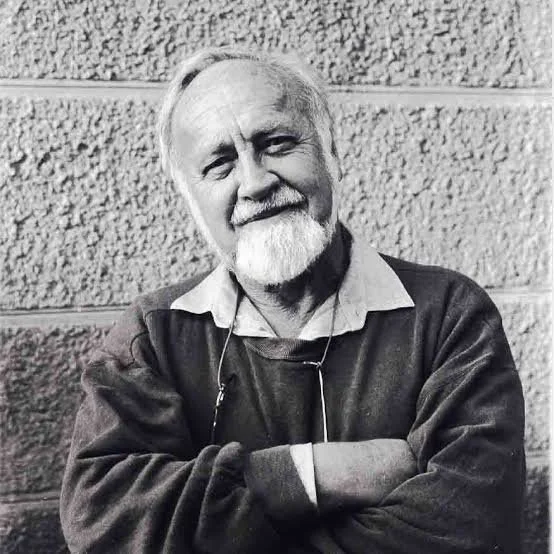
Bill Mollison: The late “Father of Permaculture”

David Holmgren: one of today’s leading ecological thinkers
Permaculture is about
relationships.
It is the re-thinking and re-designing of relationships with the land around us, our homes, the energy we use, each other, our work, ourselves.
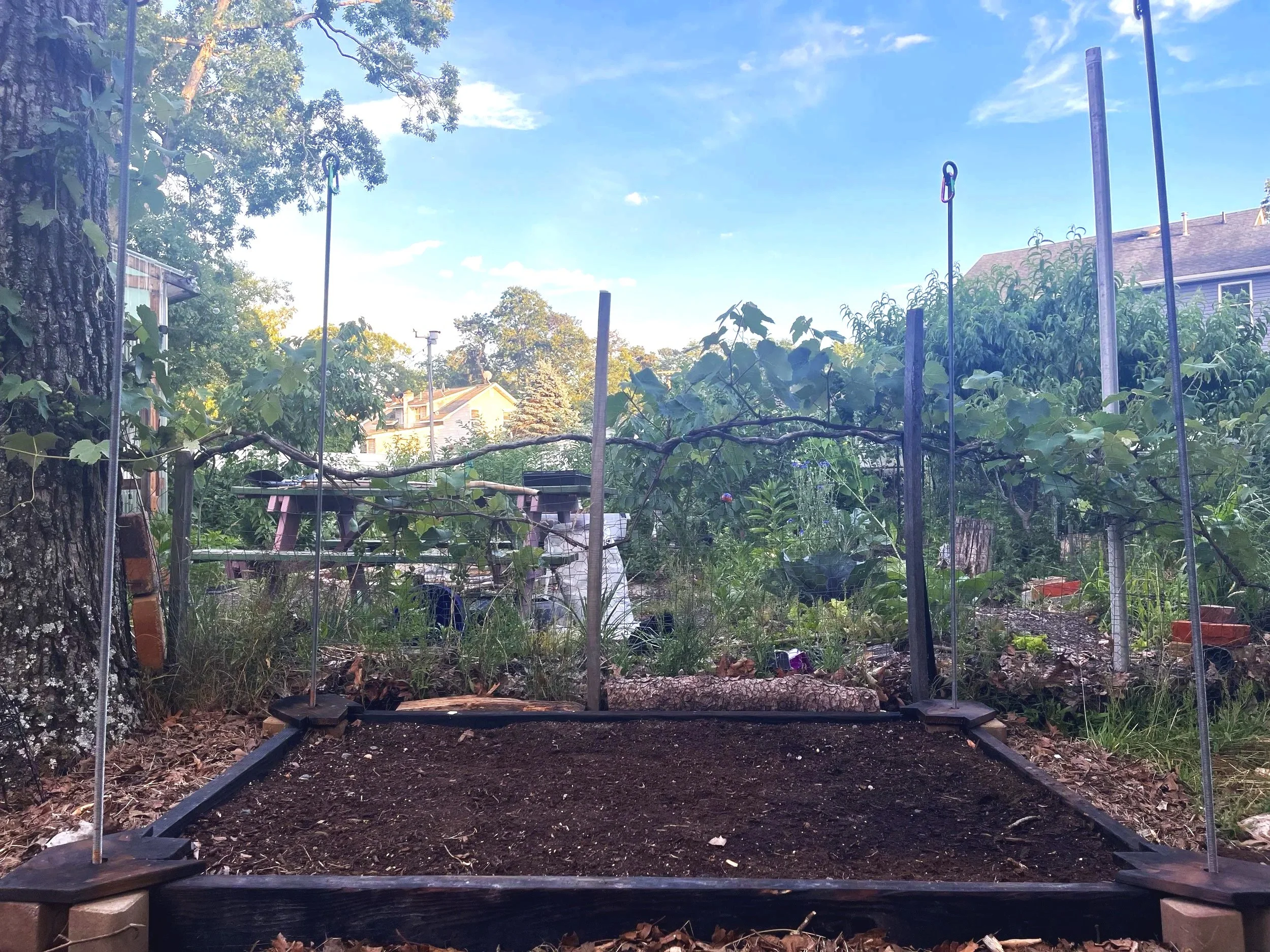
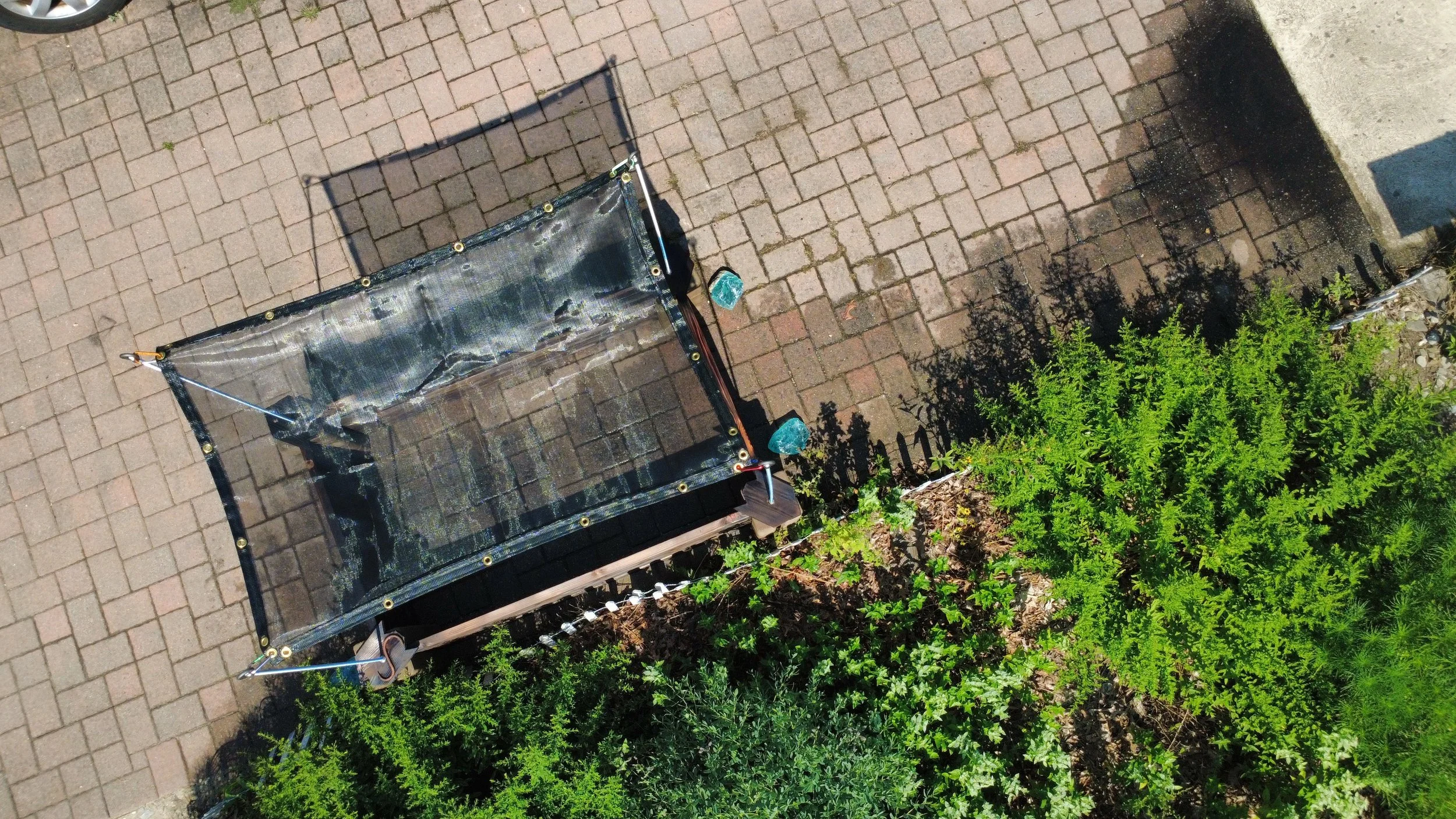
In our case, we are talking about the relationship with a garden bed. Yes, we’re serious. One garden bed is as good a place as any to begin to shift to a permaculture paradigm.
How could Whale & Wasp design a garden bed built to last, friendly to Earth, and able to give back humans and leave the land in better condition?
“Our part as individuals is to start from where we are, from where we live, and from how we live. As we gain the understanding, perspective and skills, we slowly change our part of the world…. and even possibly ourselves.”
- Bill Wilson of Midwest Permaculture.
Learn the permaculture ethics, principles & Phases of design.
Whale & Wasp has followed them all—through failures and flops, down paths with each of the natural elements, deep into books to learn centuries' old practices, and wide across the internet to learn modern needs—all to create the garden bed that solves all the problems.
Spoiler alert: not all the problems of the world will be solved. We are talking about the problems of garden beds.
Permaculture Ethics
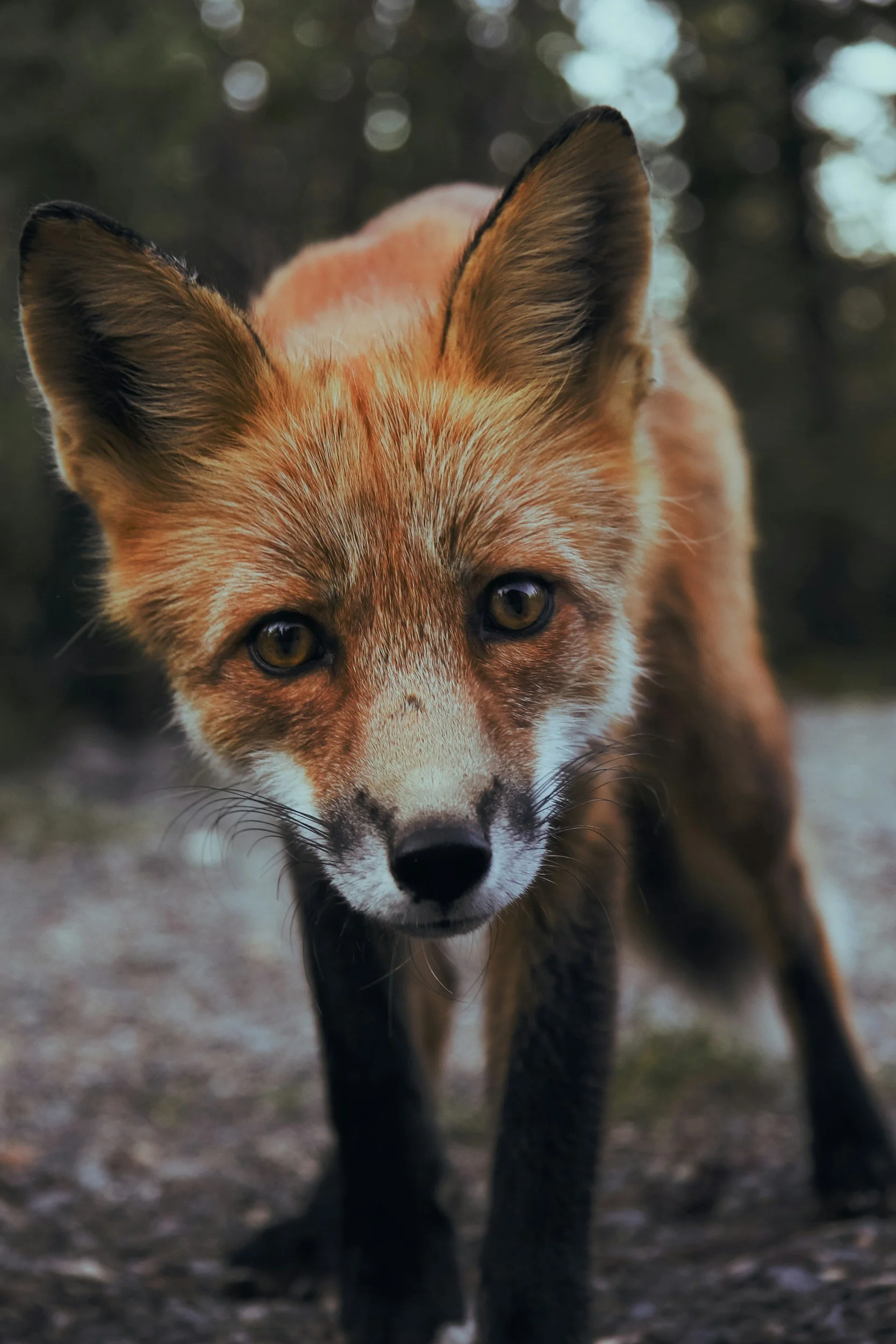
the care and tending to all natural and Earthly cycles, rhythms, and processes that support all life and allow biodiversity to regenerate
EARTH CARE:
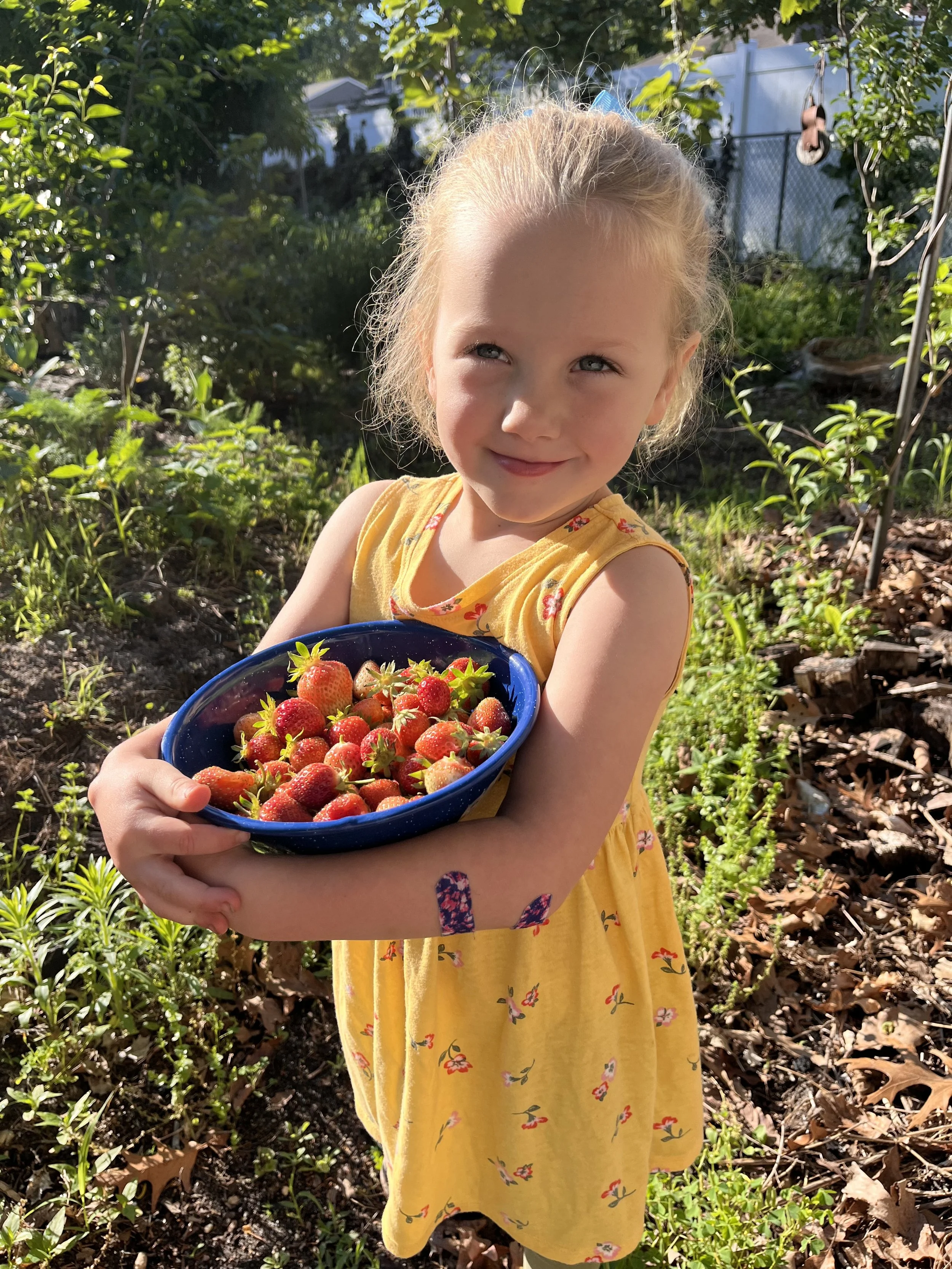
the birth right of all human beings to be one with nature and engage in natural and cultural processes to ensure their well-being
PEOPLE CARE:
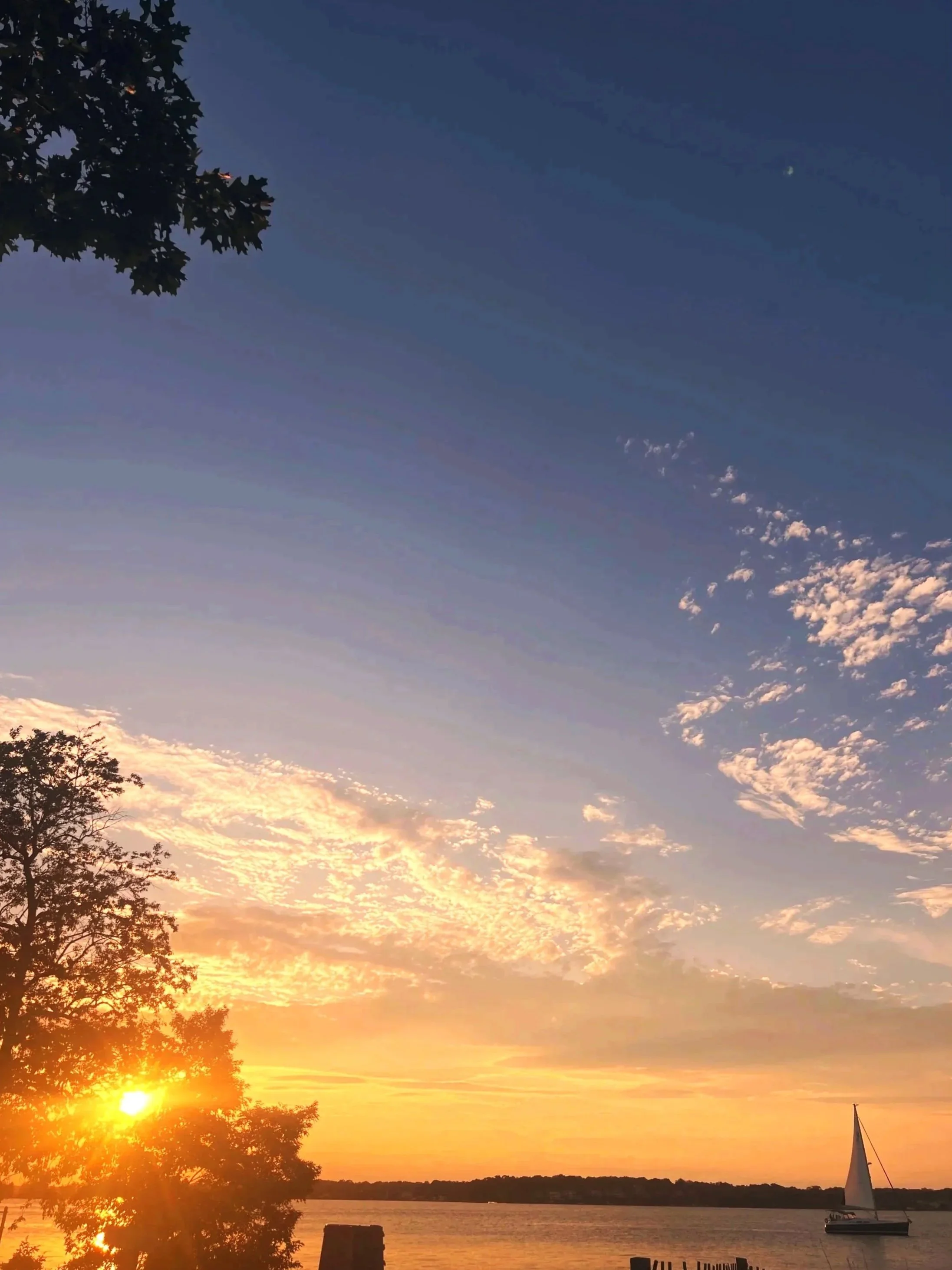
equitable availability of resources and rights for the Earth and all its inhabitants, including both the intrinsic rights and dignity due to all people as well as the setting of limits to growth and consumption by those who are exhausting resources at an unjust and un-ecological rate
FAIR SHARE:
the 12 permaculture principles
Observe & interact.
Catch & store energy.
Obtain a yield.
Apply self-regulation & accept feedback.
Use & value renewable resources & services.
Produce no waste.
Design from patterns to details.
Integrate rather than segregate.
Use small & slow solutions.
Use & value diversity.
Use edges & value the marginal.
Creatively use & respond to change.
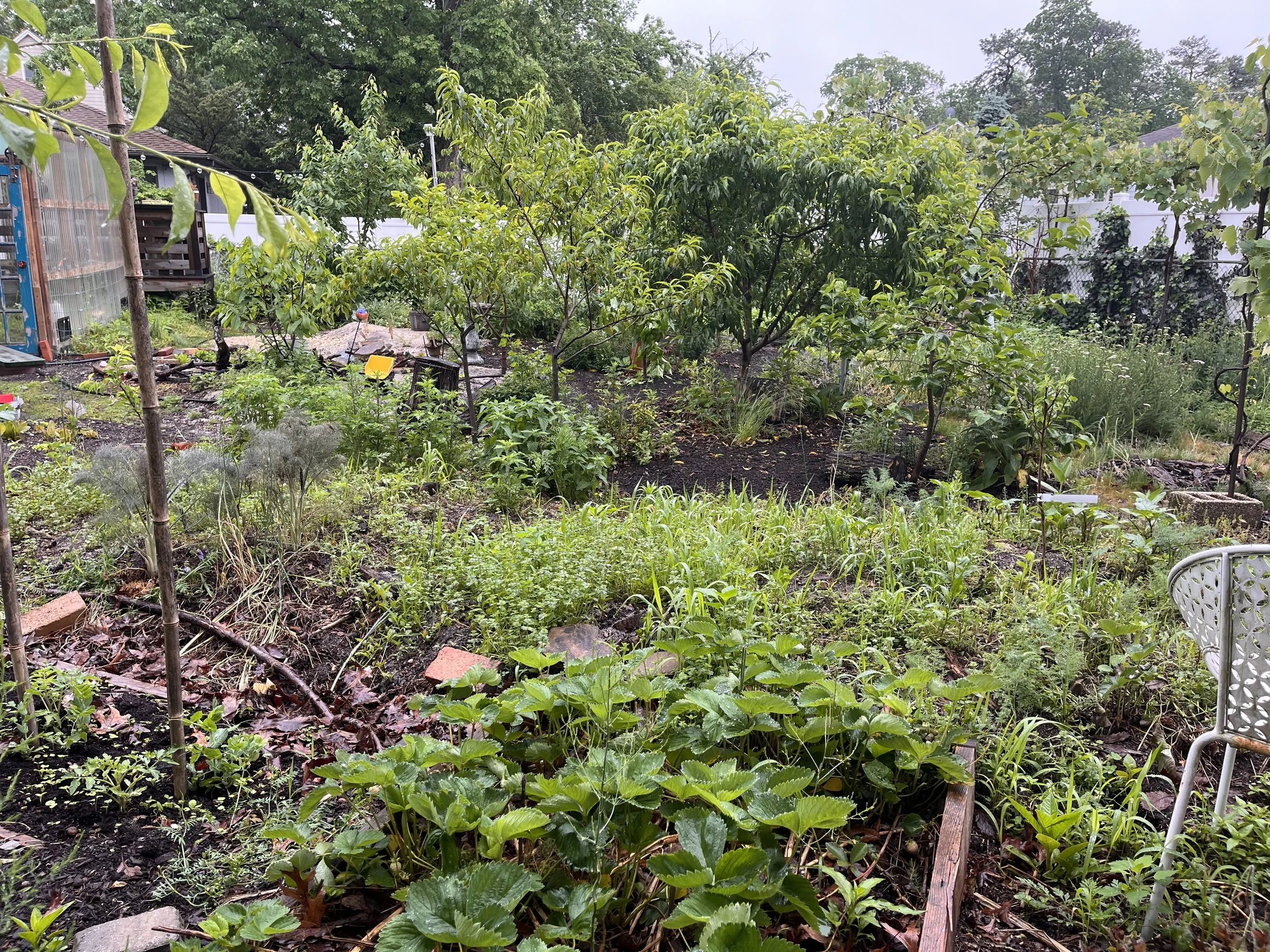
We believe in simple ideas, strong relationships, and lasting impact.
whale & wasp Permaculture is
thoughtful
All beds provide food for the declining pollinator population, restore depleted soils, and increase plant and animal biodiversity. And they’re pretty, because we want to make passerby happy too.
radical
Ditching any piece of lawn or converting any outdoor space to grow your own food and flowers is a big move on a small scale. Harvest more. Shop less. Get radical. One bed at a time.
useful
Whale & Wasp beds are designed to be more than a garden bed. Grow what you need, what you currently buy at the store. Grow all year long for the foreseeable future. What could be more useful than that?